

Introduction: Why Minyo Crusaders' New York Show Matters
Have you ever heard a song that sounds like two different worlds colliding, and somehow it still works? That is what happens when Minyo Crusaders, a band from Tokyo, plays live. They take old Japanese folk songs and dress them up in cumbia rhythms, disco grooves, and dub bass lines. News outlets covering world music reported that the group recently brought this sound to a New York City audience for the first time.
If you are new to this band, or new to Japanese folk music in general, you are not alone. Most people outside Japan have never heard the word min'yo before. This post will cover:
- What min'yo actually means and where it comes from
- Who Minyo Crusaders are and why they started mixing genres
- How cumbia and disco fit into traditional Japanese songs
- Why a New York debut is a big deal for a folk revival act
By the end, you should understand why a 100-year-old fishing song can suddenly make a dance floor move.

What Is Min'yo? A Plain-Language Guide
Min'yo (pronounced "min-yoh") simply means "folk song" in Japanese. These are not songs written by famous composers. They were created by regular people: fishermen, rice farmers, coal miners, and festival dancers. People sang them while working or celebrating, and the songs were passed down by ear, not written on paper.
Because min'yo come from so many different regions of Japan, they do not all sound alike. A song from a northern fishing village sounds different from one sung at a summer festival in Tokyo. What they share is the instruments: the shamisen (a three-stringed instrument played like a banjo), the taiko (a large drum), and sometimes a bamboo flute called the shakuhachi.
In Japan, min'yo is closely tied to bon odori, a summer dance festival where neighbors gather in a circle and dance to live or recorded folk songs. For many Japanese families, min'yo is background music for community events, not something you would hear at a nightclub. That is exactly what makes Minyo Crusaders' approach so unusual.
Who Are Minyo Crusaders?
Minyo Crusaders formed in Kawasaki, a city near Tokyo with a large immigrant community, including many residents from Latin America. The band originally came together to play backing music for a local bon odori festival. Over time, the group grew into a full band that mixes Japanese singers with musicians who grew up playing Latin American styles.
That mixed background is the reason the band does not just cover old folk songs in a traditional way. Instead, they rebuild each song from the ground up, keeping the original Japanese vocal melody but changing almost everything else underneath it. Their breakout album, released internationally under the title "Echoes of Japan," introduced this sound to world music listeners outside Japan well before the New York show.
Since then, the band has built a reputation at international festivals as a group that can make an unfamiliar, decades-old song feel like a dance-floor hit within the first thirty seconds.
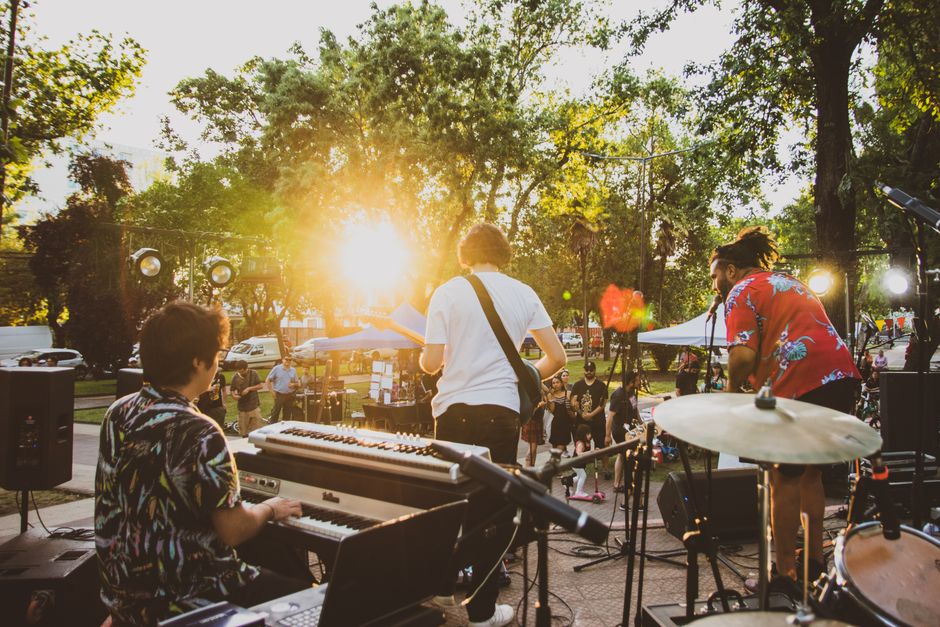
How Cumbia and Disco Fit Into a 100-Year-Old Song
So how does a fishing song from rural Japan end up sounding like something from a Latin American dance hall? The short answer is rhythm. Cumbia is a dance music style from Colombia, built around a swaying, mid-tempo beat played on drums and percussion. Minyo Crusaders take the vocal melody of a min'yo song and lay it on top of that cumbia groove instead of the traditional taiko pattern.
Disco influence shows up differently. Instead of changing the rhythm, the band adds a steady four-beat pulse, funky bass lines, and sometimes electric guitar or keyboard parts that sound more like 1970s dance music than anything from a Japanese festival. The shamisen and traditional vocals stay in place, but the groove underneath pulls the song toward the dance floor.
Here is why this works, instead of sounding like a gimmick: min'yo melodies were already built for group participation and movement, since people danced to them at festivals. Cumbia and disco are also dance-first genres. The band is not forcing two unrelated things together. They are connecting genres that share the same basic job, which is getting people moving.
Why a New York Debut Is a Big Deal for Folk Revival
A New York show matters for a band like this because New York audiences hear an enormous amount of music from around the world. Getting attention there is a sign that a sound has crossed over from "interesting festival act" to something that can hold its own in one of the most competitive live-music markets anywhere.
For min'yo specifically, this kind of show does something that record releases alone cannot do. It puts the genre in front of listeners who came for the cumbia and disco influences they already recognize, and sends them home curious about the original folk songs underneath. That is a real path to new fans for a genre that was at risk of fading at home, as fewer young people in Japan grow up attending bon odori festivals regularly.
It is worth noting that exact tour dates, venues, and setlists for touring bands change often. If you want to catch a future Minyo Crusaders show in your city, check the band's official tour page or social media for the latest schedule before making plans.
How to Start Listening to Minyo Crusaders and Min'yo
If this is your first time hearing about either min'yo or Minyo Crusaders, here is a simple way to ease in without feeling lost.
- Start with one Minyo Crusaders track that has an obvious dance beat, so the cumbia or disco influence is easy to hear right away.
- Listen a second time and try to isolate just the vocal melody. That melody is usually the traditional min'yo part of the song.
- Search for a traditional, non-remixed min'yo recording of the same or a similar song, if one is available, to hear how different the original arrangement sounds.
- Pay attention to the shamisen and taiko drum sounds. Once you can recognize them, you will start noticing them in other Japanese music too.
This approach treats the band's music as a doorway rather than the whole destination. You get an upbeat, familiar-sounding entry point, and then a reason to explore a much older tradition behind it.
Conclusion: A Small Band Making a Big Genre Feel New Again
Minyo Crusaders are not trying to replace traditional min'yo. They are giving it a new audience by connecting it to dance styles people already love, like cumbia and disco. A New York debut is one more sign that this blend travels well outside Japan.
If you like discovering music that connects dots you did not expect, this band is worth your time. Give one song a chance, and do not be surprised if a decades-old Japanese folk song ends up on your workout or dance playlist.
This article is for general information only and is not investment, financial, or purchasing advice. Prices, specs and availability change often, so check with the seller or manufacturer before you buy. Any decision and its outcome are your own responsibility.
Image credits
Post a Comment